





Pyromellitic Dianhydride: A Versatile Building Block for High‑Performance Materials
Pyromellitic dianhydride (PMDA) is an organic compound with the chemical formula C₁₀H₂O₆. It appears as a white to off‑white crystalline powder and is one of the most important aromatic dianhydrides used in industrial chemistry. Thanks to its rigid aromatic backbone and two highly reactive anhydride groups, PMDA serves as a key monomer for synthesising a wide range of advanced materials. Its unique combination of thermal stability, chemical resistance, and mechanical strength makes it indispensable in electronics, aerospace, automotive coatings, and specialty chemicals. This article explores the major application fields of PMDA and highlights how this single molecule contributes to modern technology.
1. Polyimide Resins and Films – The Dominant Application
The most significant use of PMDA is in the production of polyimides. When PMDA reacts with an aromatic diamine – most commonly 4,4′‑oxydianiline (ODA) – it forms polyamic acid, which is then thermally or chemically imidised to yield polyimide. The resulting PMDA‑ODA polyimide, known commercially as Kapton® (developed by DuPont), is a golden‑coloured film with exceptional thermal stability. It can withstand continuous temperatures from −269 °C to over 400 °C and exhibits excellent electrical insulation, mechanical toughness, and chemical inertness.
Key applications of PMDA‑based polyimide films include:
- Flexible printed circuits – used in smartphones, laptops, and wearable electronics.
- Insulation tapes for wire and cable wrapping in aircraft and high‑speed trains.
- Solar cell substrates and insulating layers in semiconductor devices.
- Diaphragms for loudspeakers and heat‑resistant labels.
Beyond films, PMDA‑based polyimides are also formulated as varnishes, adhesives, and moulding powders. They serve as high‑temperature adhesives for bonding metal and ceramic components in aerospace engines, and as matrix resins for advanced composites reinforced with carbon or glass fibres.
2. High‑Performance Powder Coatings and Curing Agents
PMDA acts as an effective curing agent for epoxy resins, especially in the production of powder coatings that require outstanding heat resistance and mechanical properties. When PMDA is added to epoxy formulations, the anhydride groups open to crosslink with epoxy hydroxyl groups, creating a dense three‑dimensional network. This results in coatings that are hard, scratch‑resistant, and capable of withstanding prolonged exposure to high temperatures (up to 200 °C) without yellowing or degradation.
These PMDA‑cured epoxy powders are widely used for:
- Cooking utensils and oven interiors – non‑stick and heat‑stable finishes.
- Engine components and exhaust systems in the automotive industry.
- Industrial machinery requiring durable, corrosion‑resistant surfaces.
- Electrical enclosures and bus bars where insulation and thermal stability are critical.
In addition, PMDA is used as a crosslinker for certain polyesters and polyurethanes, enhancing their glass transition temperature (Tg) and chemical resistance.
3. Plasticisers and Specialty Esters
Although less common, PMDA can be esterified with long‑chain alcohols to produce tetraesters that act as high‑molecular‑weight plasticisers. Unlike conventional phthalate plasticisers, PMDA‑based tetraesters have much lower volatility and better migration resistance. They are particularly suitable for applications that demand low toxicity and high durability, such as:
- Automotive interior trims – where low fogging and odour are required.
- High‑temperature wire insulation – maintaining flexibility at elevated temperatures.
- Food‑contact materials (subject to regulatory approval) – thanks to their low leachability.
These PMDA esters also serve as synthetic lubricants (e.g., for jet engines and compressors) because of their excellent thermal oxidation stability and wide liquid‑range temperatures.
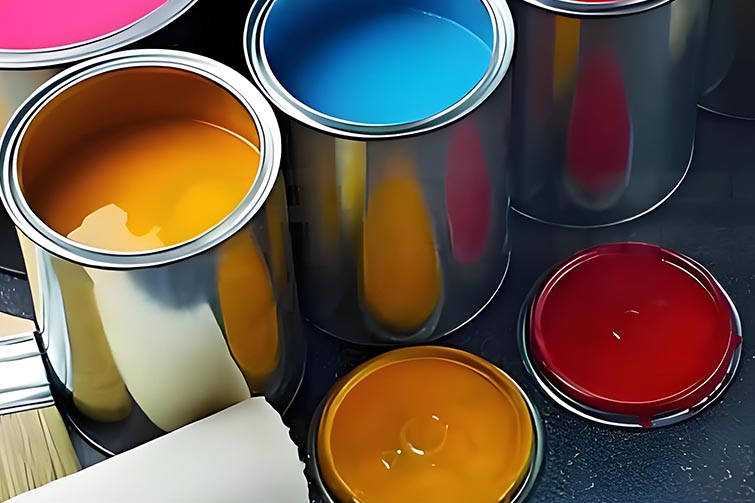
4. Additives for Paints, Inks, and Adhesives
PMDA is utilised as a specialty additive to improve the performance of paints, printing inks, and adhesives. When incorporated into coating formulations, it enhances adhesion to metal and glass surfaces, increases crosslinking density, and boosts heat resistance. For example:
- Automotive clearcoats – adding PMDA improves scratch resistance and weatherability.
- Solder mask inks for printed circuit boards – PMDA contributes to the ink’s hardness and thermal stability during soldering processes.
- Structural adhesives – PMDA‑modified epoxies achieve higher service temperatures for bonding in aerospace and automotive assembly.
Furthermore, PMDA is employed in the synthesis of certain azo pigments and dyes. Its rigid planar structure helps produce bright, heat‑stable colourants for plastics and textiles.
5. Pharmaceutical and Agricultural Intermediates
On a smaller scale, PMDA is a valuable intermediate in the synthesis of some pharmaceuticals and agrochemicals. It can be converted into pyromellitic acid or its imide derivatives, which are then used to manufacture:
- Antibacterial agents and wound‑healing compounds (experimental).
- Herbicide synergists that improve the uptake and persistence of active ingredients.
- Corrosion inhibitors for metalworking fluids, where PMDA derivatives form a protective film on metal surfaces.
Though these applications represent a minor share of total PMDA consumption, they demonstrate the compound’s chemical versatility.
Conclusion
Pyromellitic dianhydride is far more than a simple chemical intermediate – it is a cornerstone of high‑performance polymer science. From the polyimide films that enable flexible electronics and space exploration, to heat‑resistant powder coatings on household appliances, to specialty esters and adhesives used in demanding environments, PMDA’s influence is widespread. As industries continue to push for lighter, stronger, and more heat‑resistant materials, the demand for PMDA is expected to grow. Future developments may include bio‑based PMDA analogues and novel polyimide composites for electric vehicles and 5G infrastructure, ensuring that this versatile dianhydride remains relevant for decades to come.